
How Often to Change a Vape Coil and How Long They Last
Posted by Courtney McElligott on Jul 28th 2026
The coil is the part of a vape you buy again and again, and it is the part most people replace earlier than they have to. Two vapers can run the same tank on the same juice, and one gets four days out of a coil while the other gets two and a half weeks. Nearly all of that gap comes down to habits you control.
Most replaceable coils last one to two weeks. Light use stretches one to three weeks or more. All-day vaping at high wattage on a heavily sweetened juice can finish one in three or four days. Days on the calendar are the wrong unit. What wears a coil out is how much liquid you push through the cotton and how hot you push it.
Where you land in that range depends on a short list of things:
- Wattage. Running past the number printed on the coil is the quickest way to ruin one.
- How much you vape, counted in puffs and refills rather than days.
- Sweeteners in your juice, which caramelize on hot wire and coat the wick.
- How thick the liquid is. Very high VG travels back into the cotton slowly.
- Whether you primed the coil before its first fire.
- Chain puffing with no pause between draws.
- Vaping a tank that has dropped near empty.
How Long Should a Coil Last in Your Tank?
A coil heats and cools every time you press the fire button. That cycle hardens the wire and slowly cooks the cotton wrapped around it, and no amount of care stops it. What care decides is whether you get the top of the range or the bottom.
Across most tanks, one to four weeks covers it, and two weeks is a fair figure if you need a single number for budgeting. Coil type shifts it. A low-resistance sub ohm head at 60 watts vaporizes several times more liquid per second than an above-ohm coil at 15 watts, so it wears out sooner by design, and our guide to sub ohm vaping covers why that trade exists. Let taste be the deciding vote either way. A coil that still tastes right is not finished, whatever the calendar says.
How Do You Know When to Change Your Coil?
The first sign is flavor, not vapor. A juice you know well goes flat, then picks up a scorched edge at the end of the puff. Once that burnt note arrives, the cotton is spent, and it does not come back.
Vapor volume drops off next, even with a full tank, and the draw starts feeling hotter and drier than it used to. Sometimes you hear a gurgle on the inhale, which means liquid is pooling where it should not be. A little gurgling right after a refill is normal, so do not condemn a coil for that alone. If it keeps up, and especially if juice is creeping toward the battery connection, wipe the threads and the tank cap when you swap the coil, and read our notes on a leaking vape tank before you blame the coil at all.
You can also just look at it. Pull the coil and check the cotton through the wicking ports. Fresh cotton is off-white. A coil near the end of its life is brown, sometimes close to black on the side that runs hottest.
What Makes Coils Burn Out Fast?
Power is the biggest factor. Every coil has a recommended wattage range printed on the side or on the box. Above that range the wire heats faster than liquid can wick in, saturation falls behind, and you cook cotton. The popping and spitting people blame on the tank is often just this. Start at the low end of the printed range and climb a few watts at a time until the flavor sits where you want it. If you like the punch of higher power, keep it and plan on buying coils more often. That is a fair trade as long as you are choosing it on purpose.
Chain puffing does the same damage from a different direction. Pull after pull with no gap and the cotton never re-soaks. Four to six seconds between draws is enough for liquid to move back in. On a long session, set the device down for a minute now and then.
A low tank is the third culprit, and the most avoidable one. Top off at around a quarter full. Below that, the wicking ports sit above the liquid line for part of every draw and the coil fires against starved cotton, which is where most dry hits come from.
Long button holds add up quietly. Every device has a hold limit and most manuals name it. Hold past the point where the wick can keep up and you are scorching cotton even at a sensible wattage. If your coil life dropped and nothing else changed, try shaving half a second off each pull.
Then there is what is in the bottle. Sweetened juice is hard on coils because the sweeteners caramelize onto hot wire and build into a dark crust that blocks the cotton from wicking. Dessert and candy-style flavors are the usual offenders. Very high VG is a separate problem: thicker liquid moves through the wicking holes more slowly, so at high wattage it cannot keep up with what you are vaporizing, and a few points back toward PG wicks noticeably faster. If that split is new to you, start with our breakdown of PG and VG. None of this means giving up a flavor you like. It means knowing which flavors cost you a coil sooner.
How Do You Prime a New Coil?
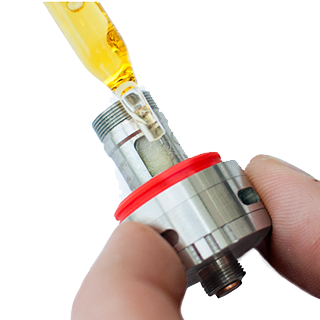
A coil out of the package is bone dry, and the first fire is the easiest moment in its life to ruin it. Priming is the fix, and it costs you two minutes.
Find the small wicking ports on the side of the coil and put a drop of juice into each one. Add a drop or two onto the exposed cotton in the middle. Screw the coil in, reassemble the tank, fill it, and let it stand upright five to ten minutes so liquid works into the inner wick. Then take a few pulls without firing to draw juice down through the cotton. Now fire it at the low end of its range and give it a handful of gentle puffs before you turn the power up.
Skipping that wait is the most common reason a brand-new coil tastes burnt on the very first puff. The coil is not defective. It is dry cotton meeting hot wire.
Which Habits Actually Add Days to a Coil?
None of these are complicated. They are all repetition.
Run less power than you can. A coil rated 40 to 80 watts spends its whole life happier at 45 than at 78, and the first tank on a fresh coil is when that matters most.
Keep the tank above a quarter full, and glance at the level whenever you pick the device up.
Pause between draws. Four to six seconds. Long enough to matter, short enough that you will not notice it.
Clean the tank every time you change coils, and give the whole device a real cleaning now and then. Residue from the last juice sits in the tank and goes straight onto the new wick otherwise, which is how a fresh coil inherits the old coil's muddy flavor.
Rotate what you vape. If you live on one sweet dessert flavor, keeping a lighter e-juice in the rotation for daytime use keeps the wick cleaner and buys you days.
How Do You Change a Coil, Step by Step?
About a minute, start to finish. Separate the tank from the battery and set the battery aside. Take the tank cap off, dump what is left in the tank if the old coil scorched it, then unscrew the spent coil from the cap and throw it out. Wipe the cap and the threads dry. Screw the new coil in, reassemble, prime it the way described above, and stand the tank upright while it soaks.
The two steps people skip are wiping the threads and letting the new coil sit. Both take seconds, and both show up in the flavor of the first tank.
Can a Burnt Coil Be Rinsed and Reused?
Not usefully. A warm-water rinse and a long dry will sometimes clear enough residue from a gunked coil to buy a day of thin flavor, but once the cotton has scorched, it stays scorched. You are tasting carbonized wick, and soaking does not remove it. Vapers who run rebuildables do dry-burn and re-wick their builds, which works because they are replacing the cotton itself rather than trying to revive it. On a factory coil head, that option does not exist.
How Many Spare Coils Should You Keep?
Two or three for every tank you use, plus one in the bag. Coils cost a few dollars each, and running a spent one because you have no spare on the shelf is how people end up vaping burnt cotton for a week. Most tanks take a factory head, so stocking replacement coil heads for the model you own is easy once you have matched it once. Our coil listings are organized by tank if you need to check.
Frequently Asked Questions
How long does a vape coil last?
One to two weeks for most adult vapers, with a full spread of roughly one to four weeks. Occasional use can stretch a coil past three weeks, while all-day vaping at high wattage may wear one out in three or four days. Puff count, power setting, and how sweet or thick your juice is all move the number more than the calendar does.
How do I know when my coil needs changing?
Flavor goes first. A juice you know well tastes flat, then picks up a scorched edge. Less vapor from a full tank, a hotter and drier draw, and a gurgle on the inhale are the other tells. Pull the coil and look through the wicking ports: fresh cotton is off-white, and a spent wick is brown or nearly black.
Why did my new coil taste burnt on the first puff?
It was almost certainly not primed. Put a drop of juice in each wicking port and a drop or two on the exposed cotton, install the coil, fill the tank, and let it stand five to ten minutes. A few unfired pulls help draw liquid down. Firing dry cotton scorches it instantly, and that taste never washes out.
Does sweetened or high-VG e-juice shorten coil life?
Yes, for two different reasons. Sweeteners caramelize on hot wire and leave a dark crust that stops the cotton wicking properly, which is why dessert and candy-style flavors go through coils faster. Very high VG is thick, so it refills the wick slower than a high-wattage coil empties it. Shifting a few points toward PG helps.
Can I clean a burnt coil and reuse it?
Not on a factory coil head. Rinsing may clear some gunk and give you a day of weak flavor, but scorched cotton cannot be restored, and you will keep tasting the burnt wick. Replacing it is the fix. Rebuildable decks are the exception, since there you re-wick with fresh cotton rather than reviving the old one.
What wattage should I run to get more life out of a coil?
Stay inside the range printed on the coil and live near the low end of it. Start at the bottom, climb a few watts at a time, and stop where the flavor is right instead of pushing to the ceiling. Above the printed range the wire outruns the wicking and cooks the cotton, usually within a tank or two.
These products are intended only for adults 21+. Nicotine is an addictive chemical. This article is general product information and is not a smoking-cessation claim.