
Sub-Ohm Vaping Guide: Tanks, Coils, Mods and E-Liquid
Posted by Courtney McElligott on Jul 28th 2026
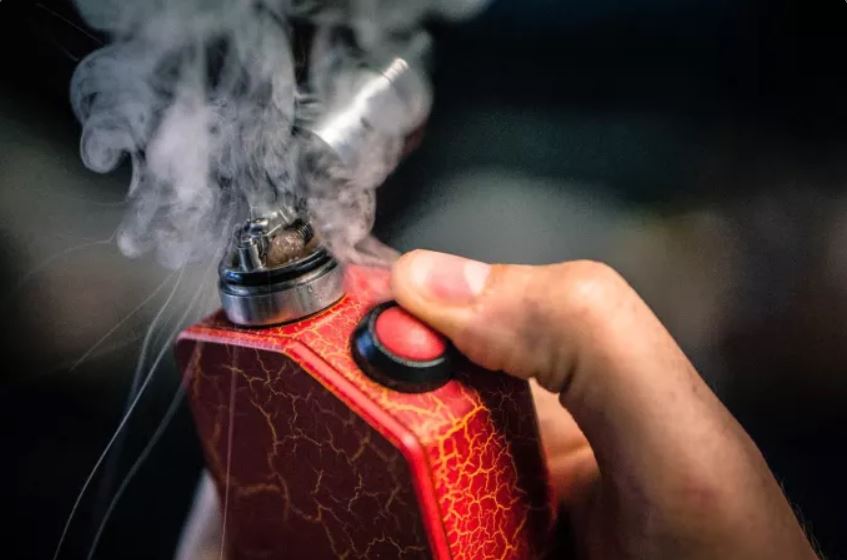
Sub-ohm vaping means one thing: the coil inside your atomizer reads below 1.0 ohm. Everything people attach to the term follows from that single number printed on the side of the coil. Bigger clouds, a warmer and airier draw, thicker e-liquid, higher wattage, shorter coil life. All of it traces back to resistance.
For scale, the clearomizer coils most vapers started on sat between 1.5 and 2.8 ohms. A sub ohm coil today usually falls between 0.15 and 0.6 ohms. Ohm's law explains what changes. Written as I = V/R, it says current climbs as resistance drops, so a lower-resistance coil pulls more current from the same battery, heats faster, and vaporizes more liquid per second. When vapers first started chasing bigger clouds they tried stacking batteries for more voltage and got surprisingly little for the trouble. Dropping resistance was the lever that actually worked.
What You Need to Sub-Ohm
Four things, and only the first two are decisions people agonize over:
- A tank or atomizer built for low-resistance coils, meaning a sub-ohm tank, an RTA or an RDA.
- A regulated mod that can supply the coil's printed wattage, usually 40 to 80 watts.
- A battery whose continuous discharge rating comfortably exceeds what the build draws, with the wrap intact.
- High-VG e-liquid in a low nicotine strength, typically 70/30 at 3 mg.
Sub Ohm Tanks vs. Regular Tanks
Most tanks on the shelf fall into one of two camps, and the split is that same one number.
| What changes | Sub ohm tank | Regular (above-ohm) tank |
|---|---|---|
| Coil resistance | Below 1.0 ohm, typically 0.15 to 0.6 | Above 1.0 ohm, typically 1.0 to 1.8 |
| Typical power | 40 to 80 watts | 10 to 25 watts |
| Draw | Open and airy, direct-to-lung (DTL) | Tight, mouth-to-lung (MTL) |
| Vapor | Large, warm, dense | Smaller, cooler |
| E-liquid used | High. Refills are frequent | Low. A fill lasts noticeably longer |
| Battery drain | Heavy | Light |
| Nicotine that suits it | 3 mg to 6 mg freebase | Higher freebase strengths and salts |
| Attention it asks for | Know your coil range and your battery | Fill it and vape it |
Neither is the correct answer. A regular tank sips liquid, runs cool, and is forgiving about wicking, which is why it is what most people own first. A sub-ohm tank trades that efficiency for vapor volume and a fuller read on flavor. Plenty of vapers keep one of each and pick by mood.
Sub-Ohm Tanks, RTAs and RDAs: Three Ways to Do It
Sub-ohm tanks with prebuilt coils
This is how nearly everyone sub-ohms now. The tank takes a manufactured coil head that screws in, so there is no wire to wrap and no cotton to pack. Match the coil's printed wattage range to a mod that can supply it and you are done. The replacement coils are consumable, so factor a few into your running cost. Many of these tanks also accept an optional rebuildable deck if you decide later that you want to build.
Rebuildable tank atomizers
An RTA is a rebuildable deck with a tank sitting on top of it. You wrap the coil and wick it yourself, then it feeds from the reservoir like any other tank. Building your own is how you tune the draw and the flavor precisely, and it costs less per week than buying coil heads. One caution carried over from the older rebuildable atomizers: not every deck was designed for low-resistance builds, and one without enough airflow or insulation can push vapor hot enough to be unpleasant on the lips.
Rebuildable dripping atomizers
RDAs are where sub-ohming started. No tank at all. You drip e-liquid straight onto the wick every few puffs, which gets you the most direct flavor of any setup and the least convenience. Most people who own one treat it as a bench toy rather than an all-day carry. If you are weighing one against a tank, we broke that decision down in our comparison of tanks and RDAs.
What Mod and Battery Do You Need?
Start with a regulated box mod. The board does the electrical work for you, holds the wattage you set, and refuses to fire a coil whose resistance is too low for it to handle. A mechanical mod has none of that. It puts the battery straight through to the coil, which means the build and the cell are the only limits in the circuit, and that is not a good first sub-ohm setup.
The cell matters as much as the mod. Check the continuous discharge rating stamped on the wrap and make sure it comfortably exceeds what your build draws. Never fire a battery with a torn or nicked wrap, and never carry loose cells in a pocket with keys or coins. Our guide to vape battery safety covers the rest, and the 18650 and 21700 cells we stock list their ratings on the product page.
One mechanical note: almost every tank and mod made in the last decade uses a 510 thread, so fitment is rarely the problem. Power is. A small pod device physically accepts some sub-ohm tanks and still cannot drive them.
VG Ratio and Nicotine Strength for Sub-Ohm Vaping
Sub-ohm coils want thick liquid. A 70/30 blend is the common default, and generally anything above 50% vegetable glycerin works. VG is the half of the base that produces dense vapor, and a thin high-PG juice cannot keep a high-power coil wicked, which is how you get a scorched puff two seconds into a hit. If the VG and PG split is new to you, start with our breakdown of PG and VG. Worth knowing: high VG slightly mutes flavor on its own, which is why most e-liquid houses reformulate their high-VG lines rather than just thickening the original recipe.
Nicotine goes the other direction. A sub-ohm tank delivers far more vapor per puff than a pod, so a strength that felt normal in a small device gets harsh fast. Most sub-ohm vapers run 3 mg, and 6 mg is about the practical ceiling. Nicotine salts are formulated for low-power mouth-to-lung devices at 25 mg and up, and they do not belong in a 60-watt tank.
What Wattage to Run, and How to Use the Airflow
Start at the bottom of the coil's printed wattage range and climb in small steps until the flavor is where you want it. Going over the printed range burns the coil and the liquid in it. Prime a new coil before its first fire, which means wetting the exposed cotton and letting a filled tank sit five or ten minutes so the wicks saturate.
Then use the airflow ring. Higher wattage makes warmer vapor, and opening the airflow pulls in cool air that brings the inhale back down to comfortable. Most people who complain that sub ohm runs too hot have the airflow half closed.
The Trade-Offs: Juice, Battery and Coil Life
Vapor is not free. A sub-ohm setup goes through e-liquid several times faster than a regular tank, so buying e-juice in larger bottles stops being optional. It drains batteries faster, which usually means owning a second set and a charger. Coils wear out sooner too, because high wattage and thick juice are hard on cotton. Priming properly and never firing a dry wick are most of the fix, and there is more in our notes on making coils last longer and on what causes dry hits. The clouds are also impossible to be discreet with, which is worth thinking about before you buy.
Is Sub-Ohm Vaping Right for You?
If you want volume, a warm open draw, and flavor pushed forward, and you accept refilling and recharging more often, sub-ohm is the style you are looking for. Pair it with high-VG liquid at a low nicotine strength and give the battery side of it real attention. If you would rather have a tight draw, a fill that lasts all day, higher nicotine or salts, and hardware you never have to think about, a tighter mouth-to-lung setup is the better fit. Both are legitimate. They are just built for different experiences.
Frequently Asked Questions
What does "sub-ohm" actually mean?
It means the coil in your atomizer has a resistance below 1.0 ohm. Most sub-ohm coils land between 0.15 and 0.6 ohms. That lower resistance lets more current reach the coil, so it heats faster and produces larger, warmer clouds than an above-ohm coil.
What wattage should I run a sub-ohm coil at?
Use the range printed on the coil itself, which for most sub-ohm heads falls between 40 and 80 watts. Start at the low end and work up in small steps until the flavor suits you. Running above the printed range burns the coil and the e-liquid in it.
Do I have to build my own coils to vape sub-ohm?
No. Almost all sub-ohm tanks use factory-made replaceable coil heads, so there is nothing to wrap or wick. Building is optional and lives on rebuildables (RTA, RDA), and some tanks accept an optional rebuildable deck so you can do either.
What nicotine strength works in a sub ohm tank, and can I use salts?
Stick to lower-strength freebase, usually 3 mg, with about 6 mg as a practical ceiling. Nicotine salts are made for low-power mouth-to-lung pods at 25 mg and above and are not suited to a high-wattage sub-ohm tank. Nicotine is an addictive chemical at any strength.
Regulated or mechanical mod for a first sub-ohm setup?
Regulated. The circuit board holds your wattage, adds protections, and will not fire a coil whose resistance is below what the board can handle. A mechanical mod puts the battery straight through to the coil with nothing in between, which asks the user to know the electrical limits themselves.
Why do my sub-ohm coils wear out so quickly?
Higher wattage and thick high-VG liquid are both hard on cotton, so a sub-ohm coil has a shorter life than a low-power above-ohm coil. Priming a new coil before the first puff and never firing it dry will get you the most out of each one. A tank that empties fast is the other culprit, since a dry wick scorches in seconds.
These products are intended only for adults 21+. Nicotine is an addictive chemical. This article is general product information and is not a smoking-cessation claim.